
Explore the intricate world of Jueteng, an underground lottery in the Philippines, and its connections with corruption and society.
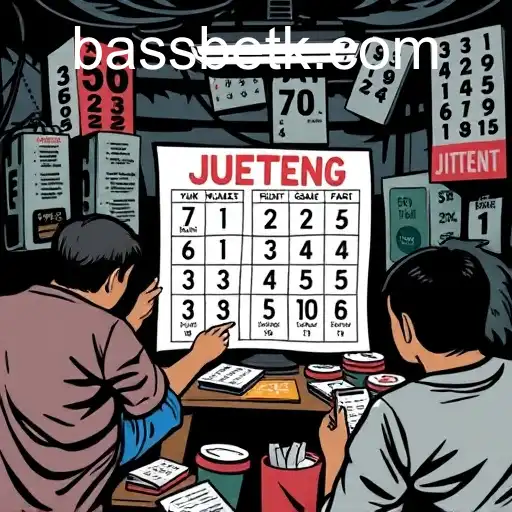
Jueteng: An Underground Lottery in the Philippines
Understanding Jueteng
Jueteng is a numbers game imbued in the social and cultural fabric of the Philippines. Though illegal, its relevance persists across regions, intertwined with political and economic underpinnings. The mechanics of this game are simple: participants pick a pair of numbers from 1 to 37. Bets are usually small, yet the allure of potential windfalls from modest wagers keeps the public, especially lower-income individuals, engaged.
The Origins and Evolution of Jueteng
Historically, Jueteng traces back to the Spanish colonial period, evolving from localized betting games into a complex network enveloping vast swathes of Filipino society. Over time, role players in this game have expanded beyond mere operators and bettors to include financiers, protectors, and even certain elements of law enforcement and politics. Despite repeated crackdowns, the game remains resilient, quietly adapting to shifting sociopolitical landscapes.
The Role of 99.win in Jueteng
In the modern digital age, platforms like 99.win represent the technological transition of traditional betting practices. While not directly associated with Jueteng, 99.win reflects the digital transformation of gambling activities in the region. Analyzing such platforms provides insight into how traditional games like Jueteng could evolve amidst advancements in technology.
Socioeconomic Factors Influencing Jueteng
The persistence of Jueteng is deeply tethered to various socioeconomic factors in the Philippines. High levels of poverty and unemployment feed into the narrative, as Jueteng often presents itself as a quick financial respite for many low-income families. Moreover, societal attitudes towards gambling, underscored by historical and cultural tolerance, further embolden participation.
Political Entanglements
Jueteng's reach and influence extend into the political realm, showcasing a complex relationship between underground gambling and governance. Allegations and investigations have at times highlighted connections between Jueteng operators and political figures. These relationships are often framed by exchanges of campaign contributions or local political support in return for protection from law enforcement raids or arrests.
Challenges in Eradication
Efforts to eliminate Jueteng frequently encounter numerous obstacles. Law enforcement agencies struggle with inadequate resources, while nexus points of corruption undermine crackdowns. Legislative inconsistencies and loopholes further complicate the regulatory landscape, making anti-gambling statutes difficult to enforce with consistency and fairness across the country.
Cultural Dimensions
Cultural dimensions of Jueteng offer a unique vantage point to assess the persistence of traditional forms of gambling. Many view it as a ‘harmless’ local game, a sentiment that resonates across numerous communities, providing both social and economic functions. The cultural fabric of the Philippines allows Jueteng to continue thriving amidst its legal challenges, highlighting the profound complexities of completely removing it from society.
Comparisons with Legal Gambling
Despite Jueteng's illegal status, the Philippine government has attempted to counter its popularity with legal alternatives, like the Philippine Charity Sweepstakes Office's lotto. However, the immediacy and simplicity of Jueteng remain unmatched in these state-sanctioned lotteries, drawing continuous participation due to their stronger socio-cultural anchorage.
Future Prospects and Technological Integration
The future of Jueteng may lie within further clandestine operations, especially with the growth of digital alternatives like the platform 99.win. Technology can offer anonymity and convenience, aligning closely with the underground nature of Jueteng. Although current legal frameworks staunchly oppose it, new technologies have the potential to redefine the rules of participation in traditional betting games.
Conclusion
Jueteng embodies a part of the complex socioeconomic and cultural dynamics in the Philippines. As long as socioeconomic inequalities persist, and with cultural acceptance deeply rooted, Jueteng, in one form or another, is likely to maintain its grip on Filipino society. The digital evolution in betting platforms opens new avenues for adaptation, potentially representing the next chapter in the shadowy yet resilient story of Jueteng.